Understanding symptoms and diagnosis
Welcome to our comprehensive guide on breast cancer symptoms and diagnosis. This page is designed for newly diagnosed patients, concerned family members, and anyone seeking clear, reliable information. Our goal is to address your most pressing questions and worries, empowering you with the knowledge you need during this challenging time.

Recognizing potential symptoms
Early detection is crucial in the fight against breast cancer. Being aware of potential symptoms can lead to earlier diagnosis and treatment. Some common symptoms include: a new lump or thickening in the breast or underarm area, changes in the size or shape of the breast, nipple discharge, and skin changes on the breast. It's important to consult a healthcare professional if you notice any unusual changes.
The diagnostic process
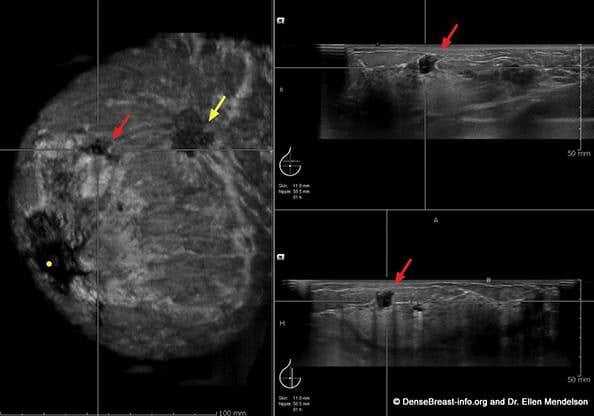
If you experience any symptoms, your doctor may recommend several diagnostic tests. These may include a clinical breast exam, mammogram, ultrasound, MRI, and/or biopsy. A biopsy, where a small tissue sample is taken for examination, is the only way to confirm a diagnosis of breast cancer. Understanding the purpose of each test can help alleviate anxiety and ensure you're an active participant in your healthcare.

Empowerment through knowledge
We hope this page has provided you with valuable insights into breast cancer symptoms and the diagnostic process. Remember, early detection and timely diagnosis are key. For more information about breast cancer, including treatment options, please see . If you'd like to learn more about our organization, please see .